
Regulation starts in the body, not the mind.
Before we can think our way to calm, we have to feel our way there. I work with kids, teens, and the adults who support them, using somatic tools and practice that fits real moments, to build lasting steadiness.
Meet me
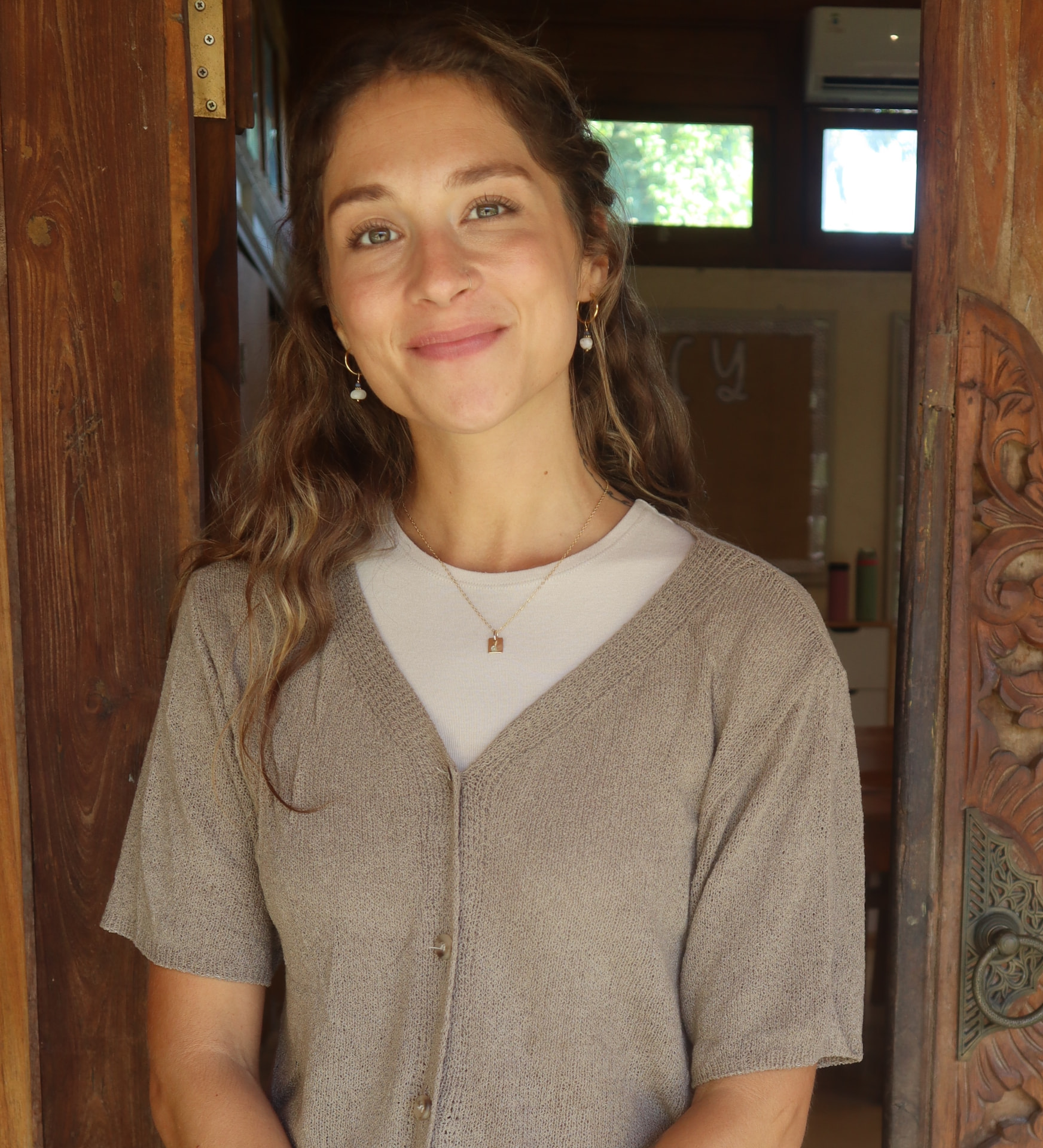
Hi, I'm Emma.
I support kids and teens navigating big feelings, and the adults who care for them. My experience as a school-based Licensed Clinical Social Worker and as a Registered Child & Adult Yoga Teacher have made clear to me the importance of slowing down and returning to the body.
What's happening
We're asking people to manage behavior when what they may need is support.
Children and adults are navigating environments that ask a great deal of them. Teachers and caregivers are often depleted themselves, while young people arrive carrying more than a moment can easily hold.
When difficult behavior shows up, whether it's a child's or our own, the usual response is management: more oversight, more consequences, more strategies. We manage kids the same way we manage ourselves: push through, tighten up, try harder. Everyone works harder, and everyone has less left over.
None of this is a failure of effort. It's what happens when we're taught to prioritize behavior over the person underneath it.
The philosophy
We can't think our way out of dysregulation.
Children and adults both become dysregulated. Rather than moving straight to correcting or managing what we see, we begin with curiosity: What's happening in this person's body? What are they feeling? What might they need?
Here's what I've learned, again and again: we need to start with the body, not the behavior. Talking about a feeling and knowing what to do about it isn't the same as being able to actually settle when it shows up. That change happens from the bottom up- through the body first, before the mind can fully catch up.
That's why my work blends practical, body-based tools - yoga, breathwork, movement- alongside more traditional approaches. Awareness and understanding matter, but they take root when there's a felt sense of safety to build from.
Support for every part of the system
Different people, the same steady approach.
Kids
Kids learn somatic tools through play, real-life scenarios, and repetition- practicing regulation in ways that actually stick, all at an age-appropriate level.
For kidsTeens
Support with stress, anxiety, emotional wellbeing, self-awareness, identity, and connection. Met where they actually are.
For teensParents & Educators
Support for the adults holding it all, as whole people, not just as caregivers or classroom managers. Individual coaching for the exhaustion, reactivity, and disconnection that can build up when you're always the one holding steady for someone else.
For adultsIn my own words
A little more about what I do.
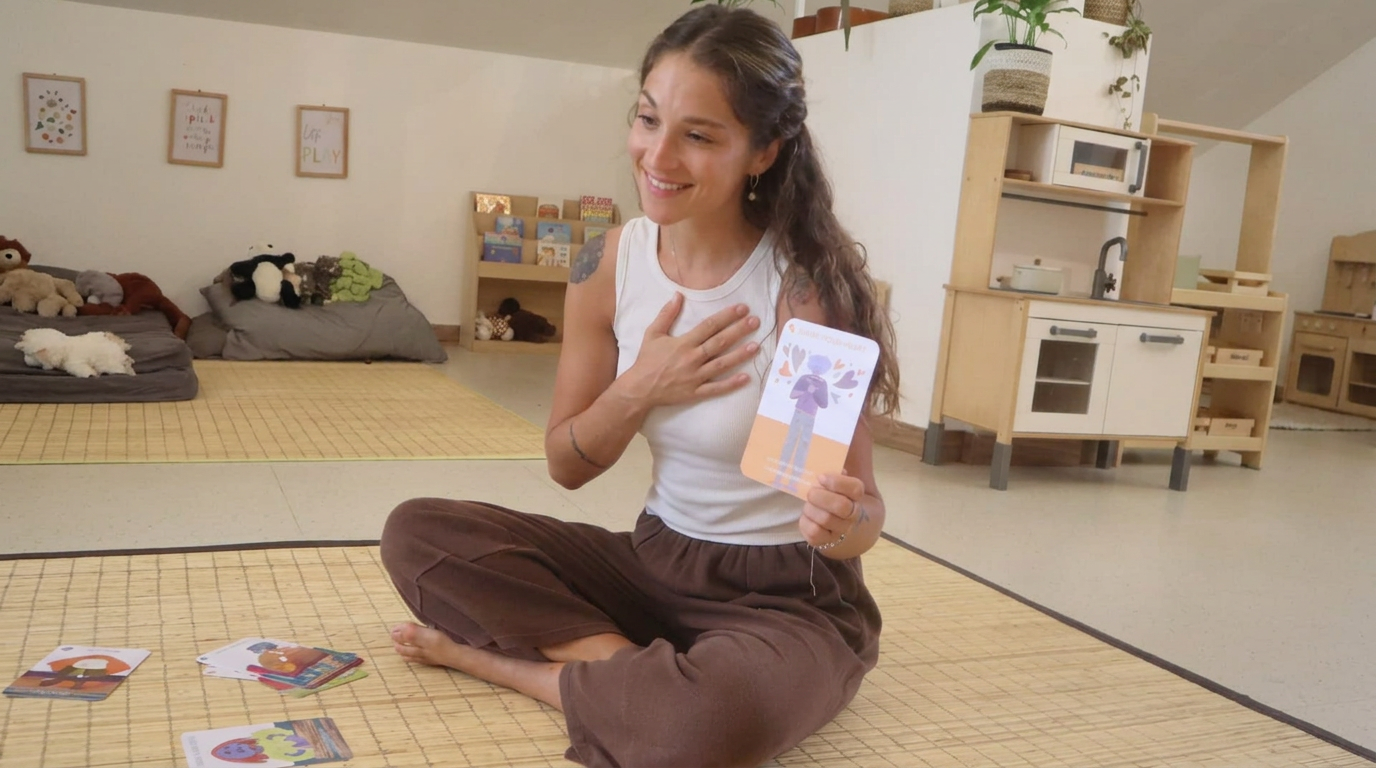
Press play for a brief introduction to how I work, who I work with, and what a first conversation looks like.
Ready to find your way back to steady?
Whether you're a parent, an educator, or supporting a young person navigating big feelings- there's a place to start here.